Wednesday, July 16, 2014

Airborne Contact Dermatitis in the USA

Greetings from Sudhir Polisetty! As evident by my Pinterest page, I am passionate about all things dermatology, especially those associated with psoriasis, dermatitis, skin lymphoma, melanoma, and pityriasis rosacea. This blog post in particular relates to a condition that I treat frequently: Airborne Contact Dermatitis (ABCD).

According to the National Center for Biotechnology Information, ABCD is an inflammatory reaction of the skin, most commonly affecting the hands. The condition is caused by exposure to irritants or allergenic agents. Irritant chemicals or physical agents such as solvents and soaps account for nearly 80% of cases. In turn, 20% of cases involve allergic contact and affect patients with sensitivity to an allergen. Commonly reported plant based allergens include goldenrod, ragweed, and sunflowers.

Clinical Key states that contact dermatitis affects both men and women of all ages, although it occurs most during adulthood. In fact, age plays a large role in what type of dermatitis the patient is experiencing. For example, infants are most likely to experience irritant contact dermatitis due to diapers, while older children have reactions caused by plants; poison ivy, etc. It is common for adolescents and adults to experience this condition from different soaps, lotions, or jewelry.

While men and women both contract the disease in equal amounts, the contact allergens by which they receive it varies. Women are commonly affected by the nickel found in jewelry, while men frequently receive dermatitis from chromate, a chemical found in industrial processes.

In order to improve a patient’s symptoms, it is important to establish a precise diagnosis. To do so, physicians must perform a physical exam, establish the allergen, determine what sites are involved, and obtain the patient’s history. After diagnosis, I recommend that my patients avoid the allergens responsible for the inflammatory reaction. In severe cases, systemic therapy or topical creams can help.

Learn more about me, dermatology, and the services I provide by visiting the following: http://expertfile.com/experts/sudhir.polisetty or http://sudhirpolisetty.weebly.com

Thanks for reading!
Sudhir Polisetty

Sunday, June 29, 2014

The Causes of Acne


Greetings! Sudhir Polisetty here. As a practicing General and Surgical Dermatologist with impressive credentials, I have been fortunate enough to treat many unique conditions. Over the course of my career at The Dermatology Center in New Albany, Indiana, one of the most common conditions patients sought treatment for is acne. According to an article on info.com, acne is a skin disease that involves the oil glands at the base of hair follicles, and is caused for several reasons.


Oil Overproduction-

As acne begins in the hair follicles, when the sebaceous gland produces too much sebum (oil) than needed, it mixes with common bacteria and skin cells and forms a type of plug. Most people who suffer from acne during adolescence, since puberty causes the sebaceous gland to grow. This could result in a:


Whitehead- When the follicle wall bulges.
Blackhead-When the plug reaches the surface of the skin.
Pimple-When the follicle becomes infected or inflamed.

Irregular Shedding of Skin Cells-

When skin cells shed regularly, they are able to surface without issues. On the other hand, when the skin cells shed irregularly, they mix with the oils and cause hair follicles to become plugged.


Buildup of Bacteria-

Once a follicle is plugged, bacteria begins multiplying in the surrounding area. By picking at the whitehead or blackhead, the bacteria multiplies more aggressively and creates a painful pimple.


Hormonal/Hereditary Causes-

The Mayo Clinic claims that genetics plays a large role in how much sebum the body produces and individuals are more susceptible to acne if their parents also suffered from the condition. Hormonal shifts, such as pregnancy, menstruation, and menopause can also affect a person's complexion.


Other Causes-

Some breakouts can be triggered from pressure and friction. Common culprits include telephones, backpacks, and make-up. Heavy concealers or other products that are non-comedogenic can cause clogged pores or actually worsen the condition.


Learn more about me on zerply.com!


Thanks for reading!

Sudhir Polisetty

Tuesday, May 6, 2014

Free Dermatology Drug Samples Come at a Cost


Greetings! Sudhir Polisetty here, back with another dermatology blog. According to a new U.S. study discussed in Reuters, dermatologists tend to prescribe more expensive medications when they give their patients drug samples. Unfortunately, while the samples are intended to be beneficial, this leads to an unnecessary increase in patients’ medical bills.


Dr. Alfred Lane, the study’s senior author, addressed fellow dermatologists about this issue, stating,"You have to realize that these samples are making you write more expensive prescriptions."


In an editorial accompanying the new study in JAMA Dermatology, a statistic shows that in 2011, the drug industry distributed $6.3 billion of samples. Dr. Kenneth Katz, however, noted that Kaiser Permanente Northern California has a strict policy against samples. A similar prohibition has been in place since 2004 at The Stanford University School of Medicine.


In his new study, Dr. Lane and his colleagues compared 2010 prescription data from first-time acne and rosacea patients at Stanford, to a national database of dermatologists from across the U.S. Their findings show that dermatologists in the national database gave about 25 percent of patients samples with their prescriptions, and that nine out of ten drugs prescribed by practices in the database were for the more expensive branded and branded-generic drugs.


Since the drugs prescribed were more expensive, the cost of the treatment per visit was much higher. The study showed that an average of $465 worth of treatments were prescribed each visit compared to an average of $200 per visit at Stanford. Lane was shocked at the findings and never expected it to be twice as much.


Dr. Katz said it is time for dermatologists to get rid of drug samples all together. He hopes that these surprising statistics will encourage all to do the same.


Thanks for reading!
Sudhir Polisetty

Thursday, March 27, 2014

AAD Speakers Address Future of Dermatology

Hello and welcome back to my general dermatology blog. My name is Sudhir Polisetty and I am a practicing General and Surgical Dermatologist. Recently there has been discussion about the future of dermatology and the challenges facing dermatologists because of the Affordable Care Act (ACA). In fact, this was the subject of many speakers at the American Academy of Dermatology (AAD) annual meeting plenary session.

At the meeting, associate professor and vice-chair of dermatology Jack S. Resnick Jr., MD, noted that often, our specialty is behind the curve when it comes to innovation and if we do not adapt, we run the risk of being commoditized and marginalized. He claimed, “We really need to think about how we would design the perfect physician-led team to provide the best care. We let the market drive it instead, and we’re playing catch up.”

Teledermatology, a subspecialty of dermatology that I covered in my last blog post, involves exchanging medical information over large distances using telecommunication technologies. Resnick mentions this subspecialty as an area with huge potential growth.

Most of the changes facing dermatologists are a result of the ACA. This act includes reforms intended to reduce cost; shift toward quality over quantity; and increase coverage and affordability. To do so, a number of mechanisms have been put in place that change the dynamic of dermatology. Limiting provider networks and the pressure to create larger physician groups are just a few of the modifications.

Brett Coldiron, MD and future AAD president encourages dermatologists to become more involved with their specialties and organizations like the American Medical Association. Coldiron claims, “We can no longer thrive as a small isolated specialty outside of organized medicine and politics in general. The forces of change are hard upon us. … Our work is cut out for us.”

View a full summary of the event’s discussions here: http://www.healio.com/dermatology/practice-management/news/online/%7B6aba59dc-76d2-4ebf-8a0f-1a7a502c4b49%7D/aad-speakers-address-the-future-of-dermatology

Thanks for reading!
Sudhir Polisetty

Learn more about me on my Expertfile profile, or by viewing my listing on Manta: www.manta.com/c/mt4gf8f/sudhir-polisetty-md‎

Thursday, March 13, 2014

Mobile Teledermatology Shows Potential for HIV Patients


Welcome back to my general dermatology blog. My name is Sudhir Polisetty and I write this blog to help others stay abreast of interesting dermatology research and headlines. Today’s blog concerns a new study appearing in JAMA Dermatology about the potential to improve access to care for HIV-positive patients.

Face-to-face evaluations by a board certified dermatologist is the golden standard of dermatology, so little research is available on the effectiveness of mobile teledermatology. The study’s authors note that few have investigated this format’s reliability and validity while none, to the researchers’ knowledge, have used the technology in sub-Saharan Africa among HIV-positive patients. They hoped this study would provide a better understanding of whether mobile teledermatology would produce valid assessments when measured against face-to-face consultations.

The cross-sectional study in Gaborone, Botswana, evaluated 76 HIV-positive patients aged 18 years and older. Each of these patients had a skin or mucosal condition that had not been previously evaluated by a dermatologist.” To make accurate comparisons, researchers began by having patients evaluated in person by a board certified dermatologist. Next, their vitals and photos taken with a 5-megapixel camera were collected and transmitted via mobile phone to a password-protected website. A team of three dermatologists and one oral medicine specialist were then tasked with providing a diagnosis based only on the info collected remotely. Researchers also assessed test-retest reliability by asking the same specialists to make recommendations a few months later without looking at their previous comments.

Specialists agreed with their initial primary diagnoses between 52 and 80 percent of the time. Agreement between primary diagnoses from face-to-face evaluations and mobile teledermatology ranged from 47 to 57 percent while agreement on how to treat the primary diagnosis ranged from 32 and 51 percent. Researchers concluded that much work is still left to be done in order to optimize and validate the use of teledermatology on a large scale.

Learn more about the study in this write-up from Healio Dermatology: http://www.healio.com/infectious-disease/dermatology/news/online/%7B7a32becd-9f87-4ea0-b93c-54636a512e57%7D/mobile-teledermatology-shows-potential-for-hiv-patients

Thanks for reading,
Sudhir Polisetty

You can learn more about me on my Zerply profile, or on the US News & World Report: http://health.usnews.com/doctors/sudhir-polisetty-696608

Wednesday, February 26, 2014

Lure of Cosmetic Procedures Compounds Dermatologist Shortage


Welcome back to my general dermatology blog. My name is Sudhir Polisetty and I am a dermatologist with The Dermatology Center in New Albany, Indiana. This week’s blog focuses on a major story concerning the future of dermatology, a shortage of general dermatologists.

As the Star Tribune explains, the popularity of higher paying cosmetic procedures such as Botox, lip augmentation, and chemical peels is causing many medical students to shy away from general dermatology. Minnesota has 4.3 dermatologists for every 100,000 residents and the state’s medical school only graduates five dermatologists each year. Those who do graduate devote much of their time to practicing the cosmetic procedures mentioned above instead of lower-paying procedures for identifying and treating melanoma, psoriasis, and a host of other skin conditions. The shortage in dermatologists is already leading to delays in diagnosis and treatment of conditions such as skin cancer according to a few of the physicians interviewed in the article.

One reason for the disparity could be the rise in salaries for dermatologists since 1995, with cosmetic dermatologists seeing a much larger jump than general dermatologists. This has caused many dermatologists to devote their time to cosmetic procedures. In the Twin Cities alone, cosmetic dermatology accounts for between 20 and 40 percent of the average dermatologist’s schedule.

Unfortunately the need for general dermatologists will only increase in the years ahead. The threat of skin cancer continues to grow, with the latest estimates being that one in every 50 Americans will develop melanoma during their lifetimes. Skin cancer rates are also rising, with more and more Americans relying on tanning beds and long exposure to the sun to improve their appearance.


Fortunately there are many reasons to specialize in general dermatology. Dermatologists do not have advertising costs like cosmetic dermatologists do and as mentioned earlier, demand for their services will continue to go up in the years ahead.

Thanks for reading,
Sudhir Polisetty

Learn more about me on my about.me page, or view other interesting dermatology articles by following me on Pinterest: www.pinterest.com/sudhirpolisetty/‎

Monday, January 20, 2014

FDA Warns of Wart Removers Catching Fire

Some freeze-away wart treatments pose fire hazard.
Hello again and welcome back to my dermatology blog. A recent consumer report has shown some concern about the safety of in-home wart removal products, which are proving to be quite flammable.

Warts are the result of human papillomavirus (HPV) and are very common. They are usually small and blister-like, resemble a cauliflower, and are most commonly found on the hands or feet. While they may disappear on their own, some may linger and require treatment. There are many over the counter products available that can aid in wart removal including creams, tapes, injections, and more. If in-home treatments do not work, many turn to other procedures with guaranteed results. Cryosurgery is very common and involves freezing the wart with liquid nitrogen. Today, there is more HPV awareness than ever before. Vaccines such as Gardasil are available and are used to prevent many of the most common types of HPV.

Recently, the FDA put out a warning about wart freezing products catching fire during in-home use. Since 2009, there have been 14 reports about cryogenic wart removers catching fire and causing blisters or burns to the skin. The products available for in-home use are very similar to what you would receive at a dermatologist’s office, minus the controlled environment and skilled professional administering the treatment. While the label comes with a clear warning cautioning users to its flammability, FDA nurse consultant Karen Nast, RN, is worried that people may not be aware of how little it takes to ignite these products. She claims that while flames and cigarettes are the obvious threat, curling and straightening irons can be enough to send the product up in flames.

Since wart treatment is generally inexpensive, I encourage you to consider treatments performed in your doctor's office, or at least consulting with your dermatologist before taking action on your own.

Learn more about affected brands in the FDA’s official statement: http://www.fda.gov/forconsumers/consumerupdates/ucm381429.htm

Thanks for reading!
Sudhir Polisetty

For more dermatology news and research, follow my pins on Pinterest or learn more about me here: http://about.me/sudhir.polisetty

Tuesday, January 14, 2014

Tips for Dry Winter Skin

Welcome back to my blog. My name is Sudhir Polisetty and I am a dermatologist at The Dermatology Center in New Albany, Indiana. With record breaking cold temperatures and wind chills sweeping the country last week, I got a lot of questions about dry winter skin. It’s common for skin to dry out during the winter and this can lead to itching, cracking, flaking, and bleeding in certain cases. Fortunately the USNews and World Report recently shared a few tips for preventing and treating dry skin.

Avoid Long, Hot Showers
One tempting way to escape cold weather is to relax in a long, scalding hot shower. As Dr. Stephen Stone of the American Academy of Dermatology notes, “Being in the water for a long time and using hot water can be extremely drying to the skin.” Keep skin from drying by making efforts to take shorter showers using only warm water.

Consider Skin Cream
Applying a skin cleanser following a shower might help reduce itching while moisturizer, ointments, and creams are also shown to be more effective than skin lotion. Instead of rubbing skin cream, which can cause irritation, gently pat the cream onto your skin.

Know Your Skin Care Products
If you use soap, deodorant, or products that contain fragrances, these products will often cause irritation if your skin is already dry. Evaluate the ingredients of any skin care products you use to make sure that product is not exacerbating the problem.

Use Proper Hand Washing Techniques
Washing hands too frequently during winter can dry out the skin, so consider alternating between a washing hands and using hand sanitizer. Additionally, get into the habit of applying moisturizer or hand cream after washing hands.

If dry skin continues to be an issue, make an appointment with your dermatologist. He or she will be able to prescribe stronger ointment or diagnose underlying health conditions, such as eczema.

Thanks for reading,

Sudhir Polisetty

Learn more about me on my MD.com profile, or read more of my dermatology blog posts on Wordpress: http://sudhirpolisetty.wordpress.com/blog/

Thursday, January 2, 2014

Most Dermatology Residency Programs Offered Cosmetic Training


Welcome back to my blog. My name is Sudhir Polisetty and I am a dermatologist practicing in New Albany, Indiana. Although I do not address cosmetic dermatological procedures, I recognize that it is a very important dermatology specialty. According to a new article in JAMA Dermatology, cosmetic dermatological surgical training is offered by most dermatology residency programs in the United States.

Researchers conducted the study by e-mailing a survey to 114 American dermatology residency program directors (PDs). The primary goal of the survey was to determine which resources are available for cosmetic dermatology training in the United States, though it also sought to gauge overall PD attitudes towards cosmetic dermatology training during residency. Other questions focused on strategies that training programs used to overcome all barriers seen in resident-performed cosmetic dermatology procedures, such as discounted prices.

46 percent of the contacted group responded to the survey (53 PDs). According to the results, all but three programs (94%) provided cosmetic dermatology training using botulinum toxin while 47 of the 53 (89%) offered training with hyaluronic acid fillers. 60 percent of the surveyed programs offered discount pricing for some cosmetic procedures, with the most frequently discounted procedures being:
  • Botulinum toxin (94% discounted)
  • Hyaluronic acid fillers (84%)
  • Vascular lasers (53%)
  • Hair removal lasers (38%)

When asked for their general attitudes on cosmetic dermatology training in residency programs, 38 percent of respondents believed it should be necessary. 17 percent of respondents believed it was appropriate for residents to gain hands-on training with cosmetic dermatology procedures while only 27 percent said residents should not be required to perform any cosmetic procedures.

The researchers concluded that while most programs offer hands-on cosmetic dermatology training, there are several barriers to training. They believed procedural competency is imperative to ensure patient safety. Ideally I would like to see a survey with a higher response rate, as 53 PDs is a small sample size.


Thanks for reading,
Sudhir Polisetty

Learn more about me on my about.me page, or by viewing my MD.com profile: http://sudhirpolisetty.md.com/

Thursday, October 10, 2013

Mobile Dermatology Apps Offer Benefits and Drawbacks

There are currently more than 200 dermatology apps, which offer
benefits and drawbacks for patients and dermatologists alike.
Welcome back to my blog. The purpose of this blog has been to shine a light on interesting development and trends in the world of general dermatology so that patients and healthcare providers alike are better informed. When treating patients at The Dermatology Center in New Albany, Indiana, I have recently noticed patients using dermatology related mobile apps. A new report in JAMA Dermatology uncovered more than 200 dermatology apps, with half of them created for non-doctors. These apps offer benefits and drawbacks when it comes to addressing dermatology issues.

Popular dermatology related mobile apps include sunscreen recommendation guides, mole photo storage apps, and other tools to aid in the prevention and diagnosis of melanoma. Researchers divided the 229 dermatology-related apps into the following categories:
  • General dermatology reference (26.6%)
  • Self-surveillance/diagnosis (17.9%)
  • Disease guides (17%)
  • Educational aids (8.7%)
  • Sunscreen/UV recommendations (8.3%)
  • Calculators (5.2%)
  • Teledermatology (3.5%)

These categories represented less than 3% of the apps available in the marketplace: conference, journal, photograph storage/sharing, dermoscopy, pathology, and other. Researchers broke the 229 apps down into 209 unique apps and another 17 versions of existing apps on other operating systems. More than half of these apps are offered free of charge (51.1%) with the most expensive app costing $139.99. The identified target audiences were:
  • Patients (51.1%)
  • Health care providers (41%)
  • Both (7.9%)

While these apps increase access to medical knowledge, the study’s senior author, Dr. Robert Dellavelle, is concerned that people are getting the wrong information. He added that very few of these apps are clearly made by medical professional and that patients and doctors should maintain a healthy sense of skepticism when using these apps; especially ones that claim to help spot conditions such as skin cancer. Misinformation on these apps could delay a real diagnosis and jeopardize patient health. Ideally, these apps should not be used in place of visiting a dermatologist but patients should instead consult with a doctor before using the app’s data to make treatment decisions.


Thank you for reading,


You can learn more about me by subscribing to my Tumblr blog or by viewing my profile on Expertfile: http://www.expertfile.com/experts/sudhir.polisetty

Tuesday, September 10, 2013

Sunscreen Recommendation Rates Low

Welcome back to my general dermatology blog. I have written in past blog posts about skin care and the benefits of regular sunscreen usage, so a recent article on new sunscreen research caught my eye. According to findings published in the September 4th issue of JAMADermatology, physicians discussed sunscreen rates with patients during less than 1% of visits.

Researchers at the University of Wake Forest conducted their study on trends in sunscreen recommendations among physicians after recognizing that sunscreen might not be recommended as often as guidelines dictate. They worked with the National Ambulatory Medical Care Survey to identify patient visits to non-federal outpatient physician offices at American ambulatory care practices during which the physician recommended sunscreen. The data covered patient visits between January 1, 1989 and December 26, 2010.

The National Ambulatory Medical Care Survey reported an estimated 18.30 billion patient visits nationwide during the survey time frame. Physicians mentioned sunscreen during 12.83 million patient visits, which amounts to just 0.07% of all visits, although mention of sunscreen was reported for 0.9% of patients visits in which a patient was diagnosed with skin disease. Dermatologists fared a little better, mentioning sunscreen during 1.6% of dermatology visits while being responsible for 86.4% of all sunscreen mentions in the survey time frame. The researchers also found that sunscreen was recommended most frequently to patients aged 80 or older and to white patients, while children were the least likely to receive this recommendation.

Researchers concluded that sunscreen mentions during patient visits are still too low, even with patients who have a history of skin disease. They also suggested that high incidence and morbidity of skin cancer can be greatly reduced if patients exercise sun-protective behaviors, but it is up to physicians and dermatologists to make sure patients are properly educated on these behaviors.


Thank you for reading,


Learn more about me on my Weebly page or learn about other dermatology news that interests me on Pinterest: http://pinterest.com/sudhirpolisetty/

Thursday, August 22, 2013

Researchers Uncover Molecule Responsible for Sunburn Pain

Image courtesy of WebMD

Welcome back to my general dermatology blog. An interesting new breakthrough in sunburn research recently made waves in the scientific community. According to a study published in the Proceedings of the National Academy of Sciences, the red skin developing from sunburn is caused by a molecule called TRPV4. This molecule, which is abundant in the skin’s epidermis, could be blocked to greatly protect against the pain caused by sunburn.

This discovery originated from a collaboration between researchers at Duke University, the University of California-San Francisco, and Rockefeller University’s Laboratory of Mammalian Cell Biology and Development. Rockefeller University researchers discovered TRPV4, an ion channel shown to be involved in other pain processes, more than ten years ago.  Duke’s Wolfgang Liedtke and Rockefeller’s Elaine Fuchs recently began testing the role of TRPV4 in the epidermis by building a mouse model missing TRPV4 in the outermost layer of its skin. The mouse’s hind paws, which most closely resemble human skin, were exposed to UVB rays. According to the researchers, unlike normal mice, the mutant mice showed little tissue injury and sensitivity.

Researchers then uncovered the sequence of events in the pain pathway. They found that UVB exposure on the skin activates TRPV4, which causes an influx of calcium ions into the skin cells, which then brings in endothelin (the molecule causing pain and itching in humans), which causes TRPV4 to send additional calcium into skin cells. Finally, researchers attempted to blow the pain pathway by applying GSK205 (a compound that selectively inhibits TRPV4) to the hind paws of normal mice. After doing so, the mice were resistant to the pain-inducing and skin-disrupting effects of sunburn.

These results seem to suggest that blocking TRPV4 channels could keep the epidermis from communicating with the skin’s sensory neurons and ease pain from sunburn. Additional tests will be necessary, but TRPV4 could be a new target for treating and preventing sunburn. TRPV4 might also potentially combat chronic sun damage such as skin cancer and skin photo-aging. For now, however, make sure you are still wearing sunscreen.


Thanks for reading,

You can learn more about me on LinkedIn or read more of my dermatology blog posts on my Wordpress blog: http://sudhirpolisetty.wordpress.com/

Wednesday, August 14, 2013

Treating Varicose Veins with Minimally Invasive Ablation Techniques

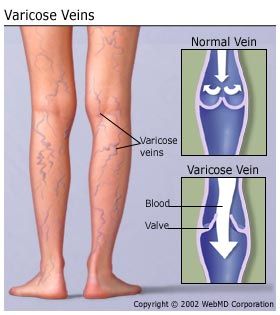
This image from WebMD depicts varicose veins
in a patient's legs.

Welcome back to my general dermatology blog. As a general and surgical dermatologist, I help patients treat and control a number of skin conditions. One condition that usually requires surgical treatment is varicose veins, defined as enlarged veins near the surface of the skin filled with an abnormal amount of blood. New information presented at the American Academy of Dermatology (AAOD)’s Annual Summer Meeting in New York indicates that two minimally invasive techniques could serve as an alternative to surgery for individuals with varicose veins.
Todd Cartee MD, an assistant professor of dermatology at Penn State’s Hersey Medical Center, presented data to AAOD conference attendees regarding two ablation techniques:
  • Endovenous laser ablation: This procedure involves putting patients under using local anesthesia and a ¼” incision. An infrared laser directs heat to the vein, through the incision, in order to destroy the affected vein.
  • Radiofrequency ablation: This process utilizes radiofrequency energy and waves to heat veins and spur their collapse.

According to Cartee, these two procedures allow patients to recover more quickly than traditional methods that require general anesthesia and a long recovery time. He adds that with these two ablation techniques, patients can expect to return to their normal routine one day after the procedure is completed.
Patients who seek treatment for their varicose veins often do so after complaining of leg pain, rashes, blood clots, fatigue, cramping in the calves, skin darkening, itching, and burning. Spider veins, which are similar to varicose veins but smaller and closer to the surface of the skin, do not produce severe symptoms but are instead treated for cosmetic reasons. Cartee reminded attendees that leg vein problems are treatable and then encouraged patients to seek out a board-certified dermatologist if they are concerned by the appearance of their legs or are experiencing problematic symptoms.
Thanks for reading,


Learn more about me by following my blog on Tumblr: http://sudhirpolisetty.tumblr.com/

Wednesday, August 7, 2013

Are Pimples Starting Younger?

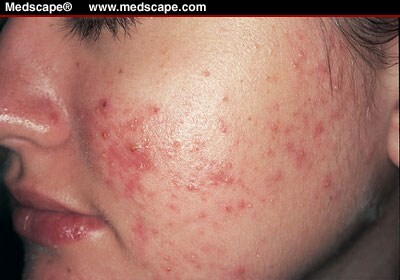
Adolescent acne (above) is becoming more common.
Welcome back to my general dermatology blog. Although I do not perform cosmetic dermatology procedures, I often see patients with questions about these services. One popular topic, especially among teenagers, is how to treat acne.
Acne vulgaris is a human skin disease characterized by pimples, blackheads, whiteheads, and sometimes scarring. Skin areas that are most frequently affected are those with dense sebaceous follicles, including the face, back, and top half of the chest. Conventional wisdom is that acne occurs most commonly during adolescence and continues in adulthood. Acne’s prevalence during the teenage years is attributed to an increase in testosterone, with testosterone levels typically dropping by age 25. I recently read an interesting article from NBC News that suggests more and more elementary school-aged children are developing pimples.
Recent anecdotes from dermatologists indicate that cases of pediatric acne are becoming more common, even in kids as young as 7. Doctors hypothesize that earlier onset puberty is to blame, as this process causes levels of pimple-producing adrenal androgens to increase. Dr. Andrea Zaenglein estimated in the article that she now sees 10-15 new pediatric acne cases each month. She responded by authoring a new set of guidelines for treating kids of all ages, which the American Academy of Pediatrics then endorsed. Zaenglein presented this information at the summer’s American Academy of Dermatology meeting, explaining that the principles of adolescent and preadolescent acne are the same and should both be treated aggressively to get symptoms under control.
Fortunately, parents of children with acne are more likely to make sure the child sticks to the dermatologist’s prescribed treatment plan. Parents should recognize that acne in adolescents is a major problem that could require professional care. Pre-teen acne can be an indicator of more severe acne in teenage years, so it is important to recognize the problem and get children the care they need.
Thanks for reading,


To learn more about me by following me on Twitter or read more of my Dermatology blog posts on my website: http://sudhirpolisetty.com/

Friday, August 2, 2013

Consumers Prefer Dermatologists for Cosmetic Procedures


Welcome back to my general dermatology blog. As a general and surgical dermatologist, I do not handle cosmetic dermatology procedures. I do, however, often get questions from patients seeking advice. It is no surprise that a new study from the American Society for Dermatologic Surgery (ASDS) found that for consumers considering cosmetic procedures, dermatologists are most likely to influence that decision.
The ASDS conducted its first-ever blind Consumer Survey on Cosmetic Dermatologic Procedures by reaching out to 6,300 consumers. Each participant shared his or her opinions on cosmetic treatments in general and then provided ratings for ten specific procedures. 6.4% of those surveyed had undergone a cosmetic treatment before while roughly 30% indicated that they are considering such a procedure. When respondents were asked to choose a provider for these procedures, nine out of ten picked dermatologists. Additionally, nine out of ten identified dermatologic surgeons as the dermatologist of choice for all but one of the identified procedures.
When it comes to patient trust, respondents noted that dermatologists have the greatest influence on decisions to have cosmetic procedures. They also added that the specialty in which a physician is board certified is the most important factor when contemplating a decision, making it more important than cost or physician referral. In short, patients were more likely to adhere to advice from board certified dermatologists over recommendations from friends or other physicians.
The cosmetic condition that bothers respondents the most is excess weight, which affected 80% of respondents. Other unwanted conditions included lines and wrinkles around the eyes (63%); skin texture and/or discoloration (62%); sagging facial skin (61%); excess fat under the chin (60%); and wrinkles, lines, and/or folds in the mid-face around the mouth and cheeks (60%).
Thanks for reading,

Read more of my dermatology blog posts on my Wordpress blog or learn more about me on my about.me page: http://about.me/sudhir.polisetty

Tuesday, July 23, 2013

Daily Sunscreen Could Prevent Skin Aging

Hello all! My name is Sudhir Polisetty and I am a General and Surgical Dermatologist continuously reading up on the newest breakthrough treatments and advancements concerning dermatology. I began studying dermatology at Northeast Ohio Medical University and obtained my medical degree in May of 2007. I continued my education by completing a Preliminary Medicine Internship at Summa Health Systems’ Akron City Hospital and then pursued specialized training with Wright State Dermatology. During my training I gained hands-on experience with a wide variety of complex General and Surgical Dermatology procedures.

I recently read about a new study from Australia that addressed daily sunscreen use as a method for protecting against aging skin, or photoaging. Over a four-year period, Dr. Adele Green and her colleagues at the Queensland Institute of Medical Research examined data from 903 adults under 55 years old. The researchers asked half of participants to place sunscreen of SPF 15 or higher on their hands, neck, back, arms, and face each morning and to reapply it as needed. The other half of the group could use sunscreen at their discretion. Dr. Adele Green and her colleagues measured photoaging from each participant at the beginning and end of the study by examining the skin on the back of every participant’s left hand. Following the conclusion of the four year study, researchers found no detectable changes in the skin condition of people who applied daily sunscreen. Australians in this first group were 24% less likely to show increased signs of aging than individuals in the second group who applied sunscreen at their own discretion.


This study reinforces what most dermatologists already know, with most dermatologists currently recommending that patients use sunscreen and avoid smoking in order to deter photoaging. You can also reduce skin aging over time by developing healthy sunscreen habits at a young age. As summer temperatures continue to rise, consider applying sunscreen before you step outside.


As always thanks for reading,

Sudhir Polisetty


Learn more about me on my Expertfile profile or read my other Dermatology blog posts on my personal website: http://sudhirpolisetty.com/blog/

Monday, June 10, 2013

About Sudhir Polisetty


Sudhir Polisetty began pursuing his dream of being a General and Surgical Dermatologist in June 2000. He enrolled at one of the leading urban research institutions in the country, Youngstown State University in Youngstown, Ohio. While rigorously studying for his Bachelor of Science in Chemistry and a minor in Psychology, Sudhir Polisetty was able to hone his exceptional medical and interpersonal skills and achieve academic excellence. He was also placed on the Dean’s List each academic year and even became a Presidential Scholarship Recipient.

After graduating in May 2002, he transitioned to Northeast Ohio Medical University in order to obtain his Doctor of Medicine (M.D.). Sudhir Polisetty attended this highly acclaimed university from August 2002 until May 2007. After receiving his M.D., he was able to start gaining hands-on medical training with the professional clinical staff at Summa Health System’s Akron City Hospital. This hospital allowed him to complete a one-year Preliminary Medicine Internship. Upon completion, Sudhir Polisetty was awarded “Intern of the Year.” In 2008, he went on to gain specialized training Wright State Dermatology. During the next four years, he performed a wide range of advanced General and Surgical Dermatologic procedures.

Sudhir Polisetty also served as Chief Resident for one year and performed medical research and poster presentations for numerous issues related to Dermatology. He delivered these poster presentations at the Ohio Dermatological Association Annual Conference in four consecutive years. One of his journal articles was even published in the October 2006 issue of Dermatologic Surgery. Sudhir Polisetty has written several other medical articles that will appear in future journals.

Sudhir Polisetty became a Dermatologist in July of 2013 when he joined The Dermatology Center in New Albany, Indiana, where he still practices today as a General and Surgical Dermatologist.

Find more about him on his Speakerfile profile: http://speakerfile.com/speakers/sudhir.polisetty or by visiting his website.