Showing posts with label Sudhir Polisetty. Show all posts

Wednesday, July 16, 2014

Airborne Contact Dermatitis in the USA

Greetings from Sudhir Polisetty! As evident by my Pinterest page, I am passionate about all things dermatology, especially those associated with psoriasis, dermatitis, skin lymphoma, melanoma, and pityriasis rosacea. This blog post in particular relates to a condition that I treat frequently: Airborne Contact Dermatitis (ABCD).

According to the National Center for Biotechnology Information, ABCD is an inflammatory reaction of the skin, most commonly affecting the hands. The condition is caused by exposure to irritants or allergenic agents. Irritant chemicals or physical agents such as solvents and soaps account for nearly 80% of cases. In turn, 20% of cases involve allergic contact and affect patients with sensitivity to an allergen. Commonly reported plant based allergens include goldenrod, ragweed, and sunflowers.

Clinical Key states that contact dermatitis affects both men and women of all ages, although it occurs most during adulthood. In fact, age plays a large role in what type of dermatitis the patient is experiencing. For example, infants are most likely to experience irritant contact dermatitis due to diapers, while older children have reactions caused by plants; poison ivy, etc. It is common for adolescents and adults to experience this condition from different soaps, lotions, or jewelry.

While men and women both contract the disease in equal amounts, the contact allergens by which they receive it varies. Women are commonly affected by the nickel found in jewelry, while men frequently receive dermatitis from chromate, a chemical found in industrial processes.

In order to improve a patient’s symptoms, it is important to establish a precise diagnosis. To do so, physicians must perform a physical exam, establish the allergen, determine what sites are involved, and obtain the patient’s history. After diagnosis, I recommend that my patients avoid the allergens responsible for the inflammatory reaction. In severe cases, systemic therapy or topical creams can help.

Learn more about me, dermatology, and the services I provide by visiting the following: http://expertfile.com/experts/sudhir.polisetty or http://sudhirpolisetty.weebly.com

Thanks for reading!
Sudhir Polisetty

Sunday, June 29, 2014

The Causes of Acne


Greetings! Sudhir Polisetty here. As a practicing General and Surgical Dermatologist with impressive credentials, I have been fortunate enough to treat many unique conditions. Over the course of my career at The Dermatology Center in New Albany, Indiana, one of the most common conditions patients sought treatment for is acne. According to an article on info.com, acne is a skin disease that involves the oil glands at the base of hair follicles, and is caused for several reasons.


Oil Overproduction-

As acne begins in the hair follicles, when the sebaceous gland produces too much sebum (oil) than needed, it mixes with common bacteria and skin cells and forms a type of plug. Most people who suffer from acne during adolescence, since puberty causes the sebaceous gland to grow. This could result in a:


Whitehead- When the follicle wall bulges.
Blackhead-When the plug reaches the surface of the skin.
Pimple-When the follicle becomes infected or inflamed.

Irregular Shedding of Skin Cells-

When skin cells shed regularly, they are able to surface without issues. On the other hand, when the skin cells shed irregularly, they mix with the oils and cause hair follicles to become plugged.


Buildup of Bacteria-

Once a follicle is plugged, bacteria begins multiplying in the surrounding area. By picking at the whitehead or blackhead, the bacteria multiplies more aggressively and creates a painful pimple.


Hormonal/Hereditary Causes-

The Mayo Clinic claims that genetics plays a large role in how much sebum the body produces and individuals are more susceptible to acne if their parents also suffered from the condition. Hormonal shifts, such as pregnancy, menstruation, and menopause can also affect a person's complexion.


Other Causes-

Some breakouts can be triggered from pressure and friction. Common culprits include telephones, backpacks, and make-up. Heavy concealers or other products that are non-comedogenic can cause clogged pores or actually worsen the condition.


Learn more about me on zerply.com!


Thanks for reading!

Sudhir Polisetty

Tuesday, May 6, 2014

Free Dermatology Drug Samples Come at a Cost


Greetings! Sudhir Polisetty here, back with another dermatology blog. According to a new U.S. study discussed in Reuters, dermatologists tend to prescribe more expensive medications when they give their patients drug samples. Unfortunately, while the samples are intended to be beneficial, this leads to an unnecessary increase in patients’ medical bills.


Dr. Alfred Lane, the study’s senior author, addressed fellow dermatologists about this issue, stating,"You have to realize that these samples are making you write more expensive prescriptions."


In an editorial accompanying the new study in JAMA Dermatology, a statistic shows that in 2011, the drug industry distributed $6.3 billion of samples. Dr. Kenneth Katz, however, noted that Kaiser Permanente Northern California has a strict policy against samples. A similar prohibition has been in place since 2004 at The Stanford University School of Medicine.


In his new study, Dr. Lane and his colleagues compared 2010 prescription data from first-time acne and rosacea patients at Stanford, to a national database of dermatologists from across the U.S. Their findings show that dermatologists in the national database gave about 25 percent of patients samples with their prescriptions, and that nine out of ten drugs prescribed by practices in the database were for the more expensive branded and branded-generic drugs.


Since the drugs prescribed were more expensive, the cost of the treatment per visit was much higher. The study showed that an average of $465 worth of treatments were prescribed each visit compared to an average of $200 per visit at Stanford. Lane was shocked at the findings and never expected it to be twice as much.


Dr. Katz said it is time for dermatologists to get rid of drug samples all together. He hopes that these surprising statistics will encourage all to do the same.


Thanks for reading!
Sudhir Polisetty

Thursday, October 10, 2013

Mobile Dermatology Apps Offer Benefits and Drawbacks

There are currently more than 200 dermatology apps, which offer
benefits and drawbacks for patients and dermatologists alike.
Welcome back to my blog. The purpose of this blog has been to shine a light on interesting development and trends in the world of general dermatology so that patients and healthcare providers alike are better informed. When treating patients at The Dermatology Center in New Albany, Indiana, I have recently noticed patients using dermatology related mobile apps. A new report in JAMA Dermatology uncovered more than 200 dermatology apps, with half of them created for non-doctors. These apps offer benefits and drawbacks when it comes to addressing dermatology issues.

Popular dermatology related mobile apps include sunscreen recommendation guides, mole photo storage apps, and other tools to aid in the prevention and diagnosis of melanoma. Researchers divided the 229 dermatology-related apps into the following categories:
  • General dermatology reference (26.6%)
  • Self-surveillance/diagnosis (17.9%)
  • Disease guides (17%)
  • Educational aids (8.7%)
  • Sunscreen/UV recommendations (8.3%)
  • Calculators (5.2%)
  • Teledermatology (3.5%)

These categories represented less than 3% of the apps available in the marketplace: conference, journal, photograph storage/sharing, dermoscopy, pathology, and other. Researchers broke the 229 apps down into 209 unique apps and another 17 versions of existing apps on other operating systems. More than half of these apps are offered free of charge (51.1%) with the most expensive app costing $139.99. The identified target audiences were:
  • Patients (51.1%)
  • Health care providers (41%)
  • Both (7.9%)

While these apps increase access to medical knowledge, the study’s senior author, Dr. Robert Dellavelle, is concerned that people are getting the wrong information. He added that very few of these apps are clearly made by medical professional and that patients and doctors should maintain a healthy sense of skepticism when using these apps; especially ones that claim to help spot conditions such as skin cancer. Misinformation on these apps could delay a real diagnosis and jeopardize patient health. Ideally, these apps should not be used in place of visiting a dermatologist but patients should instead consult with a doctor before using the app’s data to make treatment decisions.


Thank you for reading,


You can learn more about me by subscribing to my Tumblr blog or by viewing my profile on Expertfile: http://www.expertfile.com/experts/sudhir.polisetty

Wednesday, August 14, 2013

Treating Varicose Veins with Minimally Invasive Ablation Techniques

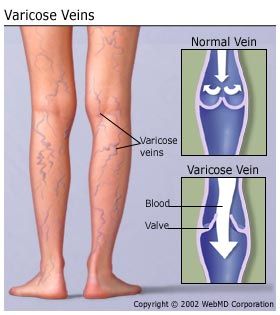
This image from WebMD depicts varicose veins
in a patient's legs.

Welcome back to my general dermatology blog. As a general and surgical dermatologist, I help patients treat and control a number of skin conditions. One condition that usually requires surgical treatment is varicose veins, defined as enlarged veins near the surface of the skin filled with an abnormal amount of blood. New information presented at the American Academy of Dermatology (AAOD)’s Annual Summer Meeting in New York indicates that two minimally invasive techniques could serve as an alternative to surgery for individuals with varicose veins.
Todd Cartee MD, an assistant professor of dermatology at Penn State’s Hersey Medical Center, presented data to AAOD conference attendees regarding two ablation techniques:
  • Endovenous laser ablation: This procedure involves putting patients under using local anesthesia and a ¼” incision. An infrared laser directs heat to the vein, through the incision, in order to destroy the affected vein.
  • Radiofrequency ablation: This process utilizes radiofrequency energy and waves to heat veins and spur their collapse.

According to Cartee, these two procedures allow patients to recover more quickly than traditional methods that require general anesthesia and a long recovery time. He adds that with these two ablation techniques, patients can expect to return to their normal routine one day after the procedure is completed.
Patients who seek treatment for their varicose veins often do so after complaining of leg pain, rashes, blood clots, fatigue, cramping in the calves, skin darkening, itching, and burning. Spider veins, which are similar to varicose veins but smaller and closer to the surface of the skin, do not produce severe symptoms but are instead treated for cosmetic reasons. Cartee reminded attendees that leg vein problems are treatable and then encouraged patients to seek out a board-certified dermatologist if they are concerned by the appearance of their legs or are experiencing problematic symptoms.
Thanks for reading,


Learn more about me by following my blog on Tumblr: http://sudhirpolisetty.tumblr.com/

Wednesday, August 7, 2013

Are Pimples Starting Younger?

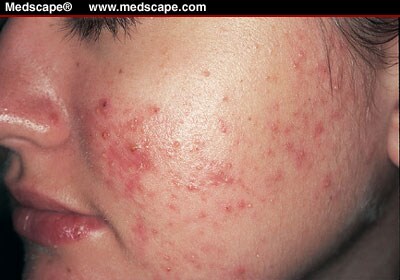
Adolescent acne (above) is becoming more common.
Welcome back to my general dermatology blog. Although I do not perform cosmetic dermatology procedures, I often see patients with questions about these services. One popular topic, especially among teenagers, is how to treat acne.
Acne vulgaris is a human skin disease characterized by pimples, blackheads, whiteheads, and sometimes scarring. Skin areas that are most frequently affected are those with dense sebaceous follicles, including the face, back, and top half of the chest. Conventional wisdom is that acne occurs most commonly during adolescence and continues in adulthood. Acne’s prevalence during the teenage years is attributed to an increase in testosterone, with testosterone levels typically dropping by age 25. I recently read an interesting article from NBC News that suggests more and more elementary school-aged children are developing pimples.
Recent anecdotes from dermatologists indicate that cases of pediatric acne are becoming more common, even in kids as young as 7. Doctors hypothesize that earlier onset puberty is to blame, as this process causes levels of pimple-producing adrenal androgens to increase. Dr. Andrea Zaenglein estimated in the article that she now sees 10-15 new pediatric acne cases each month. She responded by authoring a new set of guidelines for treating kids of all ages, which the American Academy of Pediatrics then endorsed. Zaenglein presented this information at the summer’s American Academy of Dermatology meeting, explaining that the principles of adolescent and preadolescent acne are the same and should both be treated aggressively to get symptoms under control.
Fortunately, parents of children with acne are more likely to make sure the child sticks to the dermatologist’s prescribed treatment plan. Parents should recognize that acne in adolescents is a major problem that could require professional care. Pre-teen acne can be an indicator of more severe acne in teenage years, so it is important to recognize the problem and get children the care they need.
Thanks for reading,


To learn more about me by following me on Twitter or read more of my Dermatology blog posts on my website: http://sudhirpolisetty.com/

Friday, August 2, 2013

Consumers Prefer Dermatologists for Cosmetic Procedures


Welcome back to my general dermatology blog. As a general and surgical dermatologist, I do not handle cosmetic dermatology procedures. I do, however, often get questions from patients seeking advice. It is no surprise that a new study from the American Society for Dermatologic Surgery (ASDS) found that for consumers considering cosmetic procedures, dermatologists are most likely to influence that decision.
The ASDS conducted its first-ever blind Consumer Survey on Cosmetic Dermatologic Procedures by reaching out to 6,300 consumers. Each participant shared his or her opinions on cosmetic treatments in general and then provided ratings for ten specific procedures. 6.4% of those surveyed had undergone a cosmetic treatment before while roughly 30% indicated that they are considering such a procedure. When respondents were asked to choose a provider for these procedures, nine out of ten picked dermatologists. Additionally, nine out of ten identified dermatologic surgeons as the dermatologist of choice for all but one of the identified procedures.
When it comes to patient trust, respondents noted that dermatologists have the greatest influence on decisions to have cosmetic procedures. They also added that the specialty in which a physician is board certified is the most important factor when contemplating a decision, making it more important than cost or physician referral. In short, patients were more likely to adhere to advice from board certified dermatologists over recommendations from friends or other physicians.
The cosmetic condition that bothers respondents the most is excess weight, which affected 80% of respondents. Other unwanted conditions included lines and wrinkles around the eyes (63%); skin texture and/or discoloration (62%); sagging facial skin (61%); excess fat under the chin (60%); and wrinkles, lines, and/or folds in the mid-face around the mouth and cheeks (60%).
Thanks for reading,

Read more of my dermatology blog posts on my Wordpress blog or learn more about me on my about.me page: http://about.me/sudhir.polisetty

Tuesday, July 23, 2013

Daily Sunscreen Could Prevent Skin Aging

Hello all! My name is Sudhir Polisetty and I am a General and Surgical Dermatologist continuously reading up on the newest breakthrough treatments and advancements concerning dermatology. I began studying dermatology at Northeast Ohio Medical University and obtained my medical degree in May of 2007. I continued my education by completing a Preliminary Medicine Internship at Summa Health Systems’ Akron City Hospital and then pursued specialized training with Wright State Dermatology. During my training I gained hands-on experience with a wide variety of complex General and Surgical Dermatology procedures.

I recently read about a new study from Australia that addressed daily sunscreen use as a method for protecting against aging skin, or photoaging. Over a four-year period, Dr. Adele Green and her colleagues at the Queensland Institute of Medical Research examined data from 903 adults under 55 years old. The researchers asked half of participants to place sunscreen of SPF 15 or higher on their hands, neck, back, arms, and face each morning and to reapply it as needed. The other half of the group could use sunscreen at their discretion. Dr. Adele Green and her colleagues measured photoaging from each participant at the beginning and end of the study by examining the skin on the back of every participant’s left hand. Following the conclusion of the four year study, researchers found no detectable changes in the skin condition of people who applied daily sunscreen. Australians in this first group were 24% less likely to show increased signs of aging than individuals in the second group who applied sunscreen at their own discretion.


This study reinforces what most dermatologists already know, with most dermatologists currently recommending that patients use sunscreen and avoid smoking in order to deter photoaging. You can also reduce skin aging over time by developing healthy sunscreen habits at a young age. As summer temperatures continue to rise, consider applying sunscreen before you step outside.


As always thanks for reading,

Sudhir Polisetty


Learn more about me on my Expertfile profile or read my other Dermatology blog posts on my personal website: http://sudhirpolisetty.com/blog/